
Metal surfaces are exposed to demanding environments everyday.
Metal bridges need to hold up against weathering, industrial applications may expose them to harsher chemicals, while architectural metalwork requires finishes to stay intact.
The correct choice of metal coating addresses all these scenarios, offering added durability to metal.
Metal coatings are applied to materials in order to shield them from various environmental factors such as moisture, chemical exposure, and sunlight which could potentially cause issues down the road.
While providing great visual appeal is certainly one benefit, metal coatings go far beyond aesthetics. They add decades to the lifespan to valuable assets, prevent costly replacements, and ensure safety in demanding environments.
We’re going to take you step-by-step through all that you need to understand to get started with metal coatings, including how to choose the right coating system for your specific requirements.
Key Benefits of Metal Coatings
A well-chosen metal coating does more than improve the surface’s appearance. It can help:
Protect against corrosion: A Metal coating adds an extra layer of protection, to keep your surfaces from any moisture and other corroding agents.
- Improve durability: a suitable coating enables the surface to resist normal wear, abrasion, and environmental conditions.
- Boost appearance: coloured and clear coats will give an even finish, improve gloss level and accentuate the style of design.
- Reduce maintenance costs: Protecting metal from premature damage can reduce the need for frequent repairs, recoating, or replacement.
The actual performance depends on the coating formulation, surface preparation, application process, and conditions in which the metal is used.
Types of Metal Coatings
Woodver’s metal coating range includes different products designed for specific stages of surface protection and finishing.
1. 2K Epoxy Primers
A 2K epoxy primer is a two-component coating used as a preparatory layer before the finishing coat. It helps create a suitable base for subsequent coatings while supporting adhesion and protection.
Epoxy primers are commonly used where metal needs a strong foundation and resistance to demanding conditions. They are particularly relevant for surface preparation and corrosion protection, provided the product is selected for the intended application.
2K epoxy primers can be used for priming metal surfaces, preparing them for topcoats, and supporting protective coating systems.
2. 2K Epoxy Pigmented Topcoats
A 2K epoxy pigmented topcoat combines colour with the protective properties of an epoxy-based coating. It is applied over a suitable prepared surface to provide a finished layer.
These coatings can be useful in industrial environments where the surface may encounter chemicals, moisture, or regular wear. The level of resistance depends on the specific formulation and the conditions of use.
2K epoxy pigmented topcoats are Best suited for Industrial equipment and applications that require a coloured finish, along with suitable chemical and surface protection.
3. 2K Pigmented Topcoats
2K pigmented topcoats are two-component coloured coatings designed to provide a durable finish. They can be used when appearance, surface protection, and resistance to outdoor exposure are important considerations.
The right topcoat assists in keeping the colour and appearance of metallic surfaces while also providing protection from everyday environments.
4. 2K PU Clear Topcoats
A 2K polyurethane clear topcoat is a transparent finishing layer applied over a compatible base coat. Since it is clear, it can help retain the appearance of the underlying finish while adding its own protective properties.
Depending on the formulation, PU clear coats may offer gloss, clarity, and resistance to UV exposure. They are useful when you want to protect a finished surface without covering its existing colour.
Go for these metal coatings when you need clear finishing, gloss enhancement, and applications where UV and surface protection are required.
Common Applications of Metal Coatings
- Various industries use metal coatings. Though the system should be selected based on the environment and performance requirements:
- Outdoor steel structures: Protective coatings systems can reduce the impact of moisture and weather-related deterioration.
- Industrial equipment: Epoxy-based systems may be suitable for equipment exposed to chemicals, wear, or demanding operating conditions.
- Automotive and transportation: Coatings can improve appearance and provide protection against environmental exposure and everyday use.
- Marine and coastal applications: Metal near saltwater needs a system selected specifically for corrosive conditions.
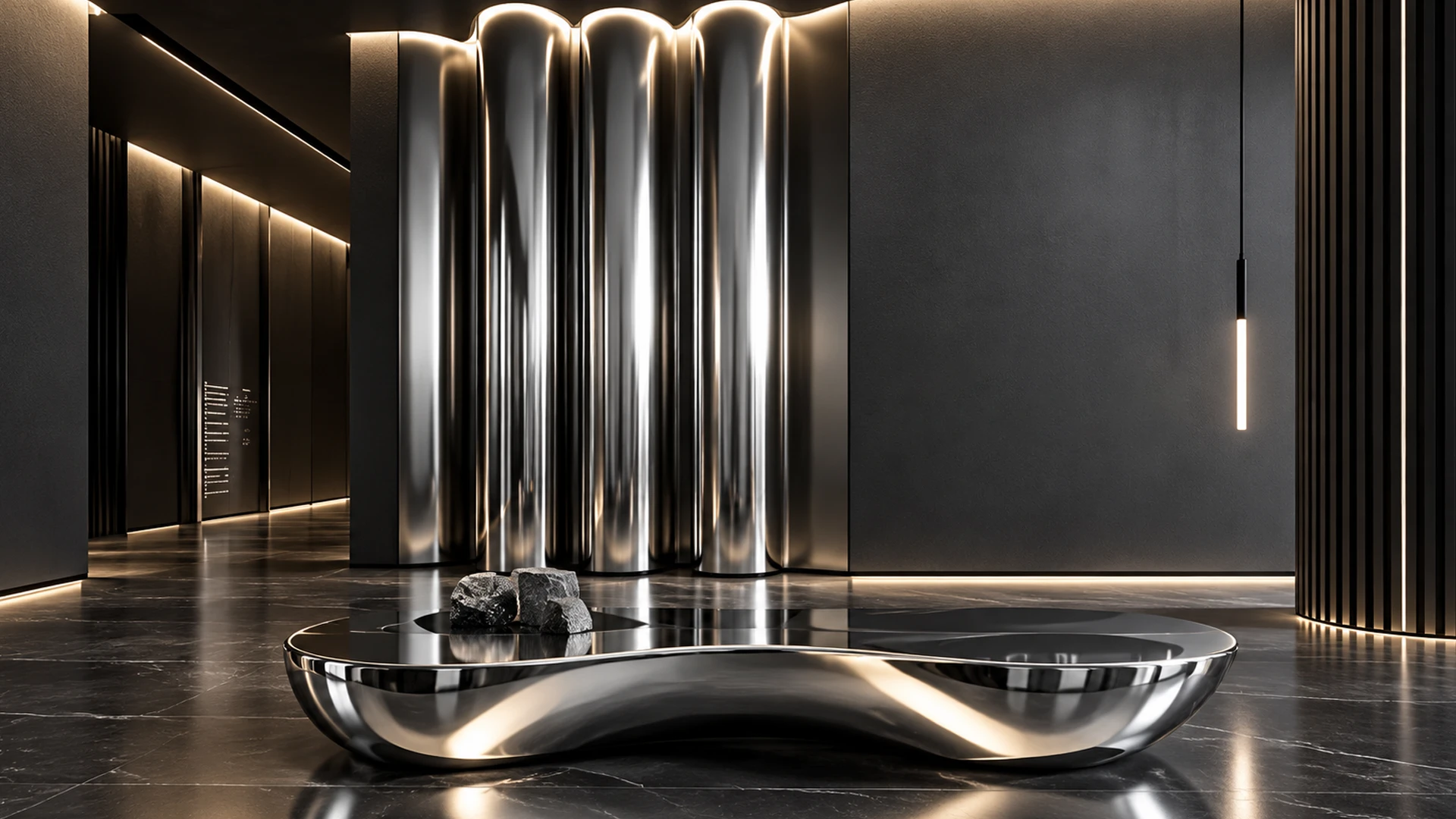
- Decorative and architectural metalwork: Pigmented and clear topcoats can be used to obtain the required colour, gloss, and finish.
How to Choose the Right Metal Coating
Choosing a metal coating becomes easier when you work through a few practical questions:
1. Where will the metal be used?
Indoor metalwork may have different requirements from outdoor structures or coastal applications. Consider moisture, sunlight, temperature, and exposure to chemicals.
2. What is the state of the surface?
A new and clean metal surface might require a different type of preparation whereas an older rusted or already coated surface. Cleaning and preparing is crucial before coating.
3. Do you need a primer, topcoat, or complete system?
Primers are used for preparation, and top coats are used for giving the final colour or protective finish. Some projects require a compatible combination of products rather than a single coating.
4. What appearance do you want?
If you need a particular colour, choose a pigmented topcoat. If you want to preserve the underlying appearance, a compatible clear topcoat may be more appropriate.
5. What kind of protection is required?
Consider the level of protection needed against things like corrosion, chemical exposure, UV radiation, abrasion and cleaning requirements. Find a formulation that’s ideal for those specific conditions.
Remember to always follow instructions on the product’s Technical Data Sheet concerning the ratio in which the product should be mixed with another, preparation, application conditions, drying times, and compatibility.
The Right Metal Coating for Your Surface and Application
The best way to ensure good metal finishing starts with proper surface preparation.
In addition, the choice of primers, the compatibility between different layers, application
conditions, as well as the surrounding environment also influence the end results.
This is why selecting a coating on any other criteria other than its colour or appearance can be deceiving. The most reliable method is to determine the requirements of the surface first, then selecting the appropriate coating system.
Woodver’s range of 2K epoxy and PU coatings gives you different options for building the finish around those needs.
Looking for a metal coating for your next project? Explore Woodver’s range to find the right finish for your requirements.