
Showing all 6 results
+91 76830 20012 info@woodver.in
PU
Home > Shop
Showing all 6 results
-
![CLEAR SEALERS]()
- PU
(0)CLEAR SEALERS
Woodver's high-build PU clear sealer with excellent pore-filling for a smooth, even wood surface. -
- PU
CLEAR SEALERS
(0)
-
-
![COLOUR BASES MATT/GLOSS]()
- PU
(0)COLOUR BASES MATT/GLOSS
Woodver's tintable PU colour bases for accurate, consistent custom wood finish colours in matt or gloss. -
- PU
COLOUR BASES MATT/GLOSS
(0)
-
-
![INSULATORS]()
- PU
(0)INSULATORS
Woodver's insulator coat that improves adhesion and creates a uniform base for long-lasting wood finishes. -
- PU
INSULATORS
(0)
-
-
![PIGMENTED SEALERS]()
- PU
(0)PIGMENTED SEALERS
Woodver's strong pigmented foundation sealer with excellent adhesion to wood and MDF surfaces. -
- PU
PIGMENTED SEALERS
(0)
-
-
![PIGMENTED TOPCOATS MATT/GLOSS]()
- PU
(0)PIGMENTED TOPCOATS MATT/GLOSS
Woodver's scratch-resistant pigmented topcoats in matt or gloss for a smooth, professional wood finish. -
- PU
PIGMENTED TOPCOATS MATT/GLOSS
(0)
-
-
![TOPCOATSMATT/SATIN/GLOSS]()
- PU
(0)TOPCOATSMATT/SATIN/GLOSS
Woodver's premium-clarity PU clear topcoats in matt, satin or gloss, protecting wood against wear and stains. -
- PU
TOPCOATSMATT/SATIN/GLOSS
(0)
-
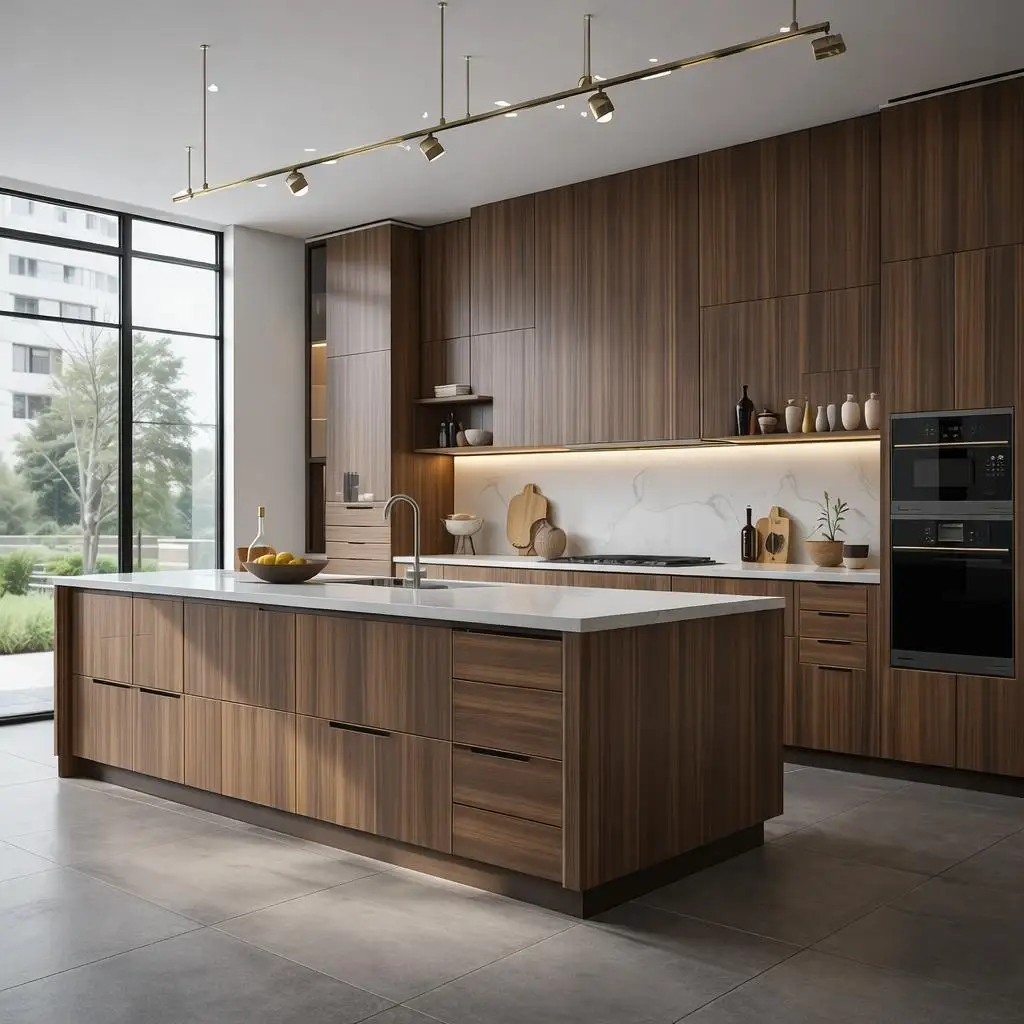
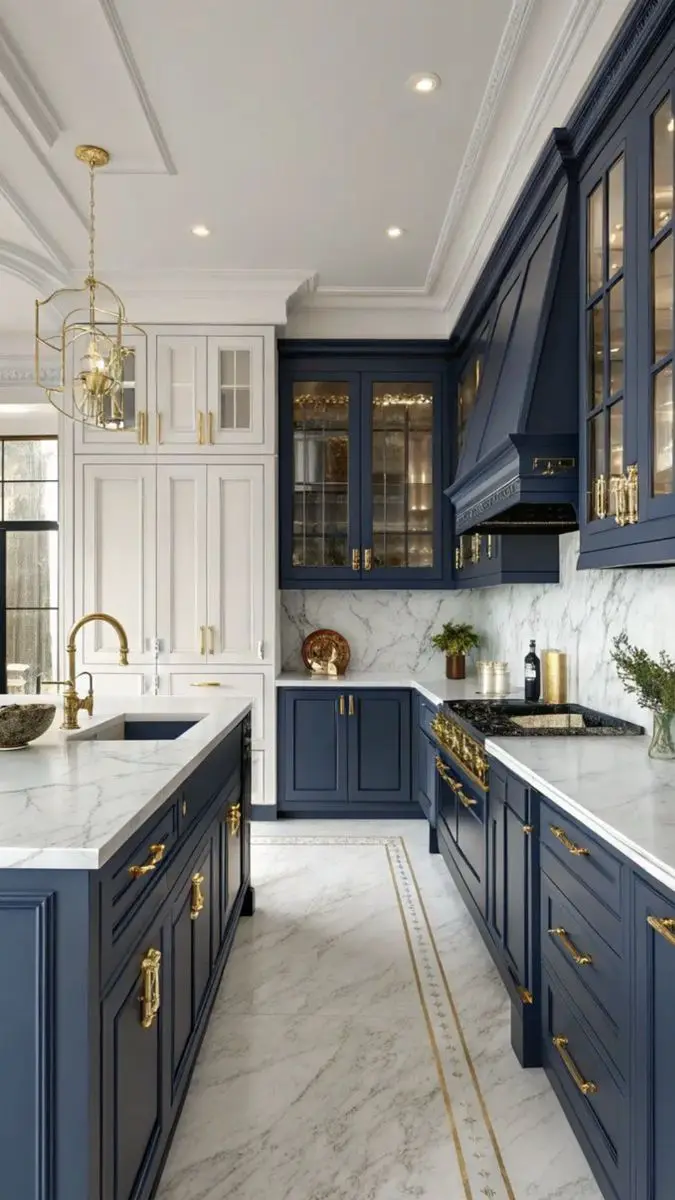
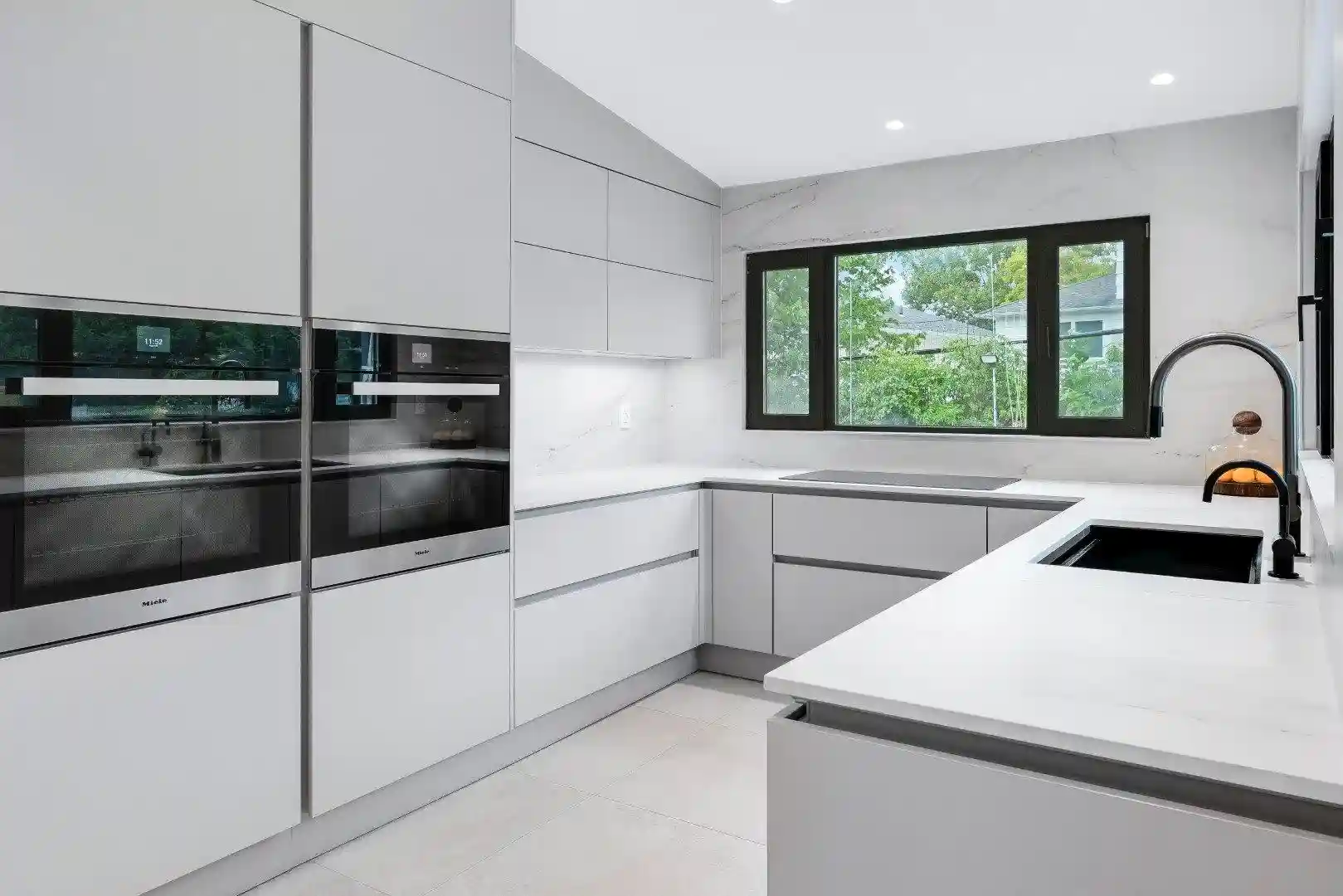
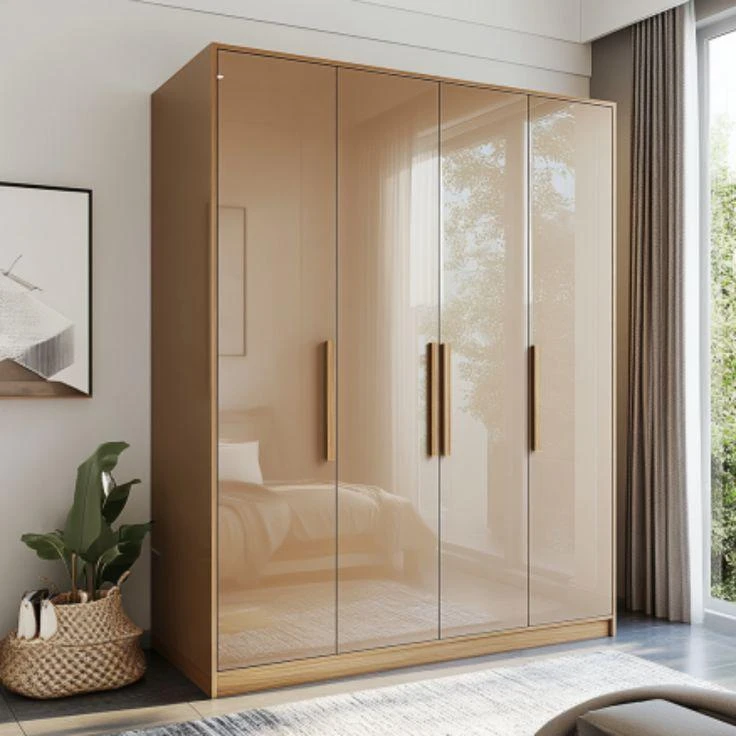
Recently Viewed Products
No recently viewed products to display
PU (Polyurethane) Coating – Types, Applications & Buying Guide
PU polyurethane coating is a protective, film-forming coating made from polyurethane resin that bonds to surfaces like wood, metal, and concrete to provide waterproofing, abrasion resistance, and long-lasting gloss. It is widely used across India in flooring, furniture, industrial equipment, and infrastructure projects because it combines the toughness of industrial coatings with the flexibility to handle temperature changes, chemical exposure, and heavy foot or vehicle traffic.
Whether you need a polyurethane floor coating for a warehouse, a PU coating for wood furniture, or an anti-corrosive PU coating for structural steel, this guide by Woodver breaks down every type, application, and buying consideration — so you can choose the right product the first time.
What Is PU (Polyurethane) Coating?
Polyurethane coating is formed by a chemical reaction between polyols and isocyanates, creating a tough, elastic polymer film. Once cured, this film acts as a barrier against water, abrasion, chemicals, and UV exposure – which is why PU coatings are used everywhere from residential wood flooring to heavy industrial plants.
How Does Polyurethane Coating Work?
- The resin and hardener (in 2-component systems) or resin and solvent/water carrier (in single-component systems) react to form cross-linked polymer chains.
- This cross-linking creates a dense, flexible film that resists cracking, peeling, and surface wear.
- Depending on the formulation, the film can be glossy, matte, clear, or pigmented.
PU Coating vs Epoxy Coating vs Regular Paint
| Property | PU Coating | Epoxy Coating | Regular Paint |
| Flexibility | High | Low (brittle) | Moderate |
| UV Resistance | Excellent | Poor (yellows/chalks) | Varies |
| Abrasion Resistance | Excellent | Very Good | Low |
| Chemical Resistance | Good to Excellent | Excellent | Poor |
| Best Used For | Floors, wood, metal, outdoor exposure | Industrial floors, tanks (indoor) | Decorative, low-wear surfaces |
| Typical Lifespan | 7–15 years | 5–10 years | 2–5 years |
Quick takeaway: Choose epoxy for pure chemical resistance indoors; choose PU when you need UV stability, flexibility, and outdoor durability.
Types of Polyurethane Coatings We Offer
At Woodver, we manufacture and supply the full spectrum of PU coatings to suit residential, commercial, and industrial needs.
Water-Based Polyurethane Coating
A low-VOC, eco-friendly option that’s easier to apply indoors, dries faster, and has minimal odour. Ideal for residential wood flooring, furniture, and interior applications where air quality and low emissions matter – increasingly preferred for homes, schools, and hospitals in India.
Clear Polyurethane Coating
A transparent finish used to protect and enhance the natural look of wood, stone, or metal without hiding the substrate. Common in furniture, wooden flooring, decorative concrete, and architectural elements where aesthetics matter as much as protection.
Applications of PU Coating
Polyurethane Floor Coating
Used in warehouses, parking structures, factories, and commercial spaces, polyurethane floor coating resists heavy loads, forklift traffic, oil spills, and temperature fluctuations better than standard epoxy in many settings – particularly where thermal shock (hot/cold cycling) is a factor, such as cold storage or food processing units.
PU Coating for Wood
PU coating for wood protects furniture, doors, flooring, and cabinetry from moisture, scratches, and daily wear while enhancing natural grain. Available in matte, satin, and high-gloss finishes, it’s a preferred alternative to traditional varnish due to superior durability and yellowing resistance.
PU Coating for Metal & Anti-Corrosive PU Coating
For structural steel, pipelines, machinery, and equipment exposed to moisture or industrial atmospheres, anti-corrosive PU coating forms a protective barrier that prevents rust formation and extends asset life. PU coating for metal is commonly specified in bridges, storage tanks, railings, and automotive components across Indian infrastructure and manufacturing projects.
Key Benefits of PU Coatings
Waterproof Polyurethane Coating
Once cured, PU forms a continuous, non-porous film that prevents water penetration — critical for terraces, basements, bathrooms, and flooring in India’s humid and monsoon-heavy climate.
Scratch-Resistant PU Coating
The dense polymer structure resists abrasion from foot traffic, furniture movement, and daily handling, making scratch-resistant PU coating a top choice for both residential floors and commercial spaces.
Durability, Gloss & Chemical Resistance
- Retains gloss and colour under UV exposure far longer than epoxy or standard paint
- Resists oils, mild acids, alkalis, and cleaning chemicals
- Typical service life of 7–15 years depending on substrate and traffic
How to Choose the Right PU (Polyurethane) Coating
| Your Need | Recommended PU Coating |
| Warehouse/factory floor, heavy traffic | 2K PU floor coating |
| Home wood flooring, low odour | Water-based PU coating |
| Furniture/doors, natural wood look | Clear PU coating |
| Steel structure, outdoor rust protection | Anti-corrosive PU coating |
| Terrace/roof waterproofing | Waterproof PU coating |
| High-footfall commercial space | Scratch-resistant 2K PU coating |
PU Coating Application Process (Step-by-Step)
- Surface Preparation – Clean, degrease, and profile the surface (sanding for wood, shot-blasting or grinding for metal/concrete) to ensure proper adhesion.
- Primer Application – Apply a compatible primer to seal the substrate and improve bonding, especially on metal (anti-corrosive primer) and porous concrete.
- Mixing (for 2K systems) – Combine resin and hardener in the specified ratio and use within the pot life window.
- Coating Application – Apply via roller, brush, or spray in thin, even coats — typically 2–3 coats depending on the application.
- Curing – Allow adequate curing time between coats (usually 4–24 hours) and full cure (3–7 days) before heavy use.
- Inspection – Check for uniform gloss, film thickness, and full coverage before handover.
Why Choose Woodver as Your PU Coating Manufacturer
As a polyurethane coating manufacturer serving industrial, commercial, and residential customers across India, Woodver offers:
- A full product range — water-based, 2K, clear, anti-corrosive, and floor-grade PU coatings
- Technical support for surface preparation, product selection, and application
- Consistent quality control and batch testing for performance and durability
- Pan-India supply for contractors, builders, OEMs, and facility managers
Frequently Asked Questions
1. What is PU polyurethane coating used for?
It’s used to protect and finish surfaces like floors, wood furniture, metal structures, and concrete against water, abrasion, chemicals, and UV damage across residential, commercial, and industrial applications.
2. Is PU coating better than epoxy coating?
PU coating offers better UV resistance and flexibility, making it ideal for outdoor or sunlight-exposed areas, while epoxy is often preferred for pure chemical resistance in indoor industrial settings. The best choice depends on the exposure conditions.
3. How long does polyurethane coating last?
A well-applied PU coating typically lasts 7 to 15 years, depending on the substrate, traffic level, and environmental exposure.
4. Is water-based polyurethane coating as durable as solvent-based?
Modern water-based polyurethane coatings offer strong durability for residential and light-commercial use, though 2K solvent-based systems generally provide higher hardness and chemical resistance for heavy industrial use.
5. Can PU coating be applied on metal to prevent rust?
Yes. Anti-corrosive PU coatings are specifically formulated to protect metal surfaces from rust and corrosion, and are widely used on structural steel, pipelines, and machinery.
6. Is polyurethane coating waterproof?
Yes, cured PU coating forms a continuous, non-porous film that provides excellent waterproofing for floors, terraces, and wood surfaces.
7. How do I choose the right PU coating for my project?
Consider the substrate (wood, metal, concrete), exposure (indoor/outdoor), traffic level, and whether you need a clear or pigmented finish. Refer to the comparison table above or consult a manufacturer for a technical recommendation.