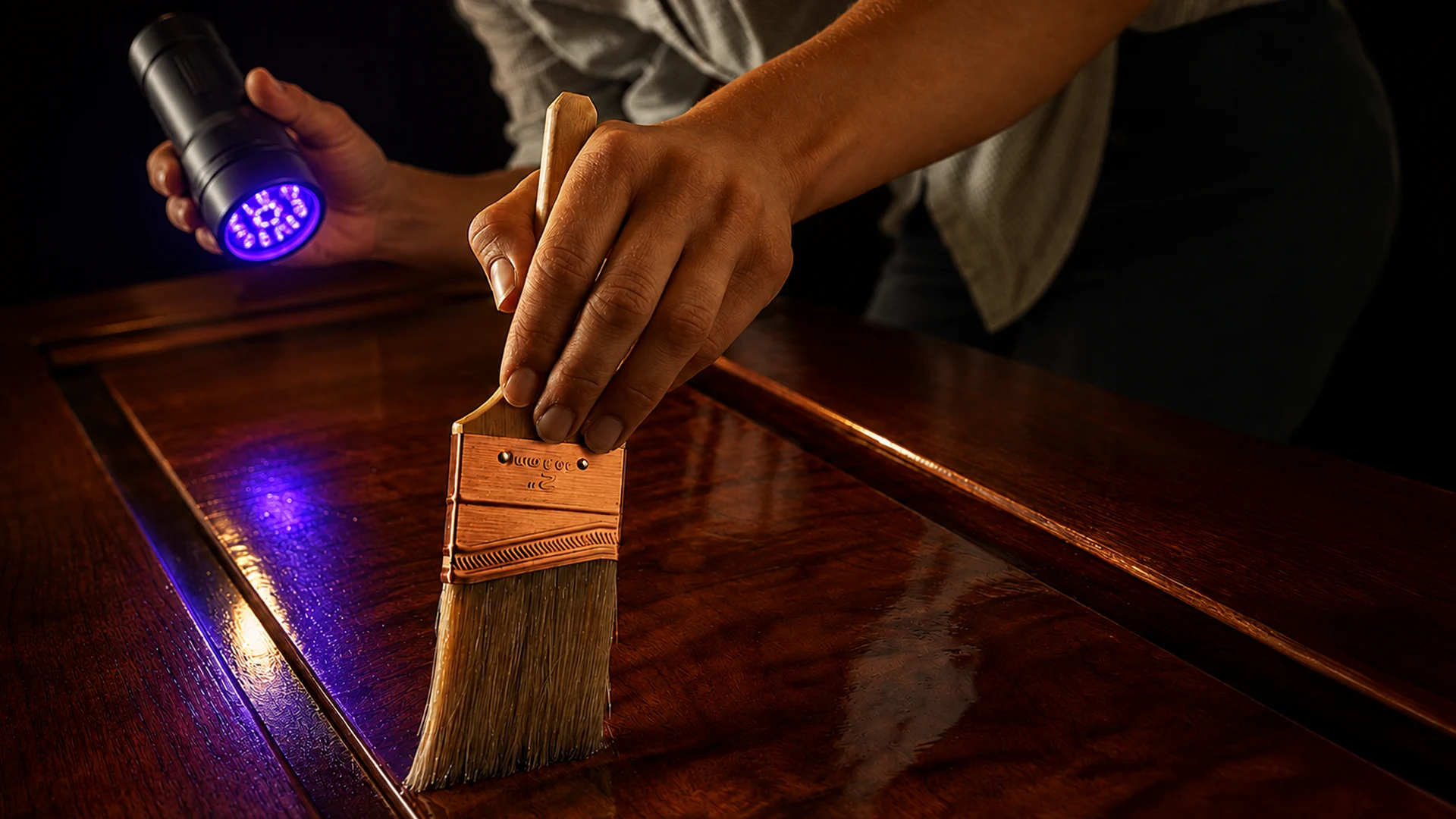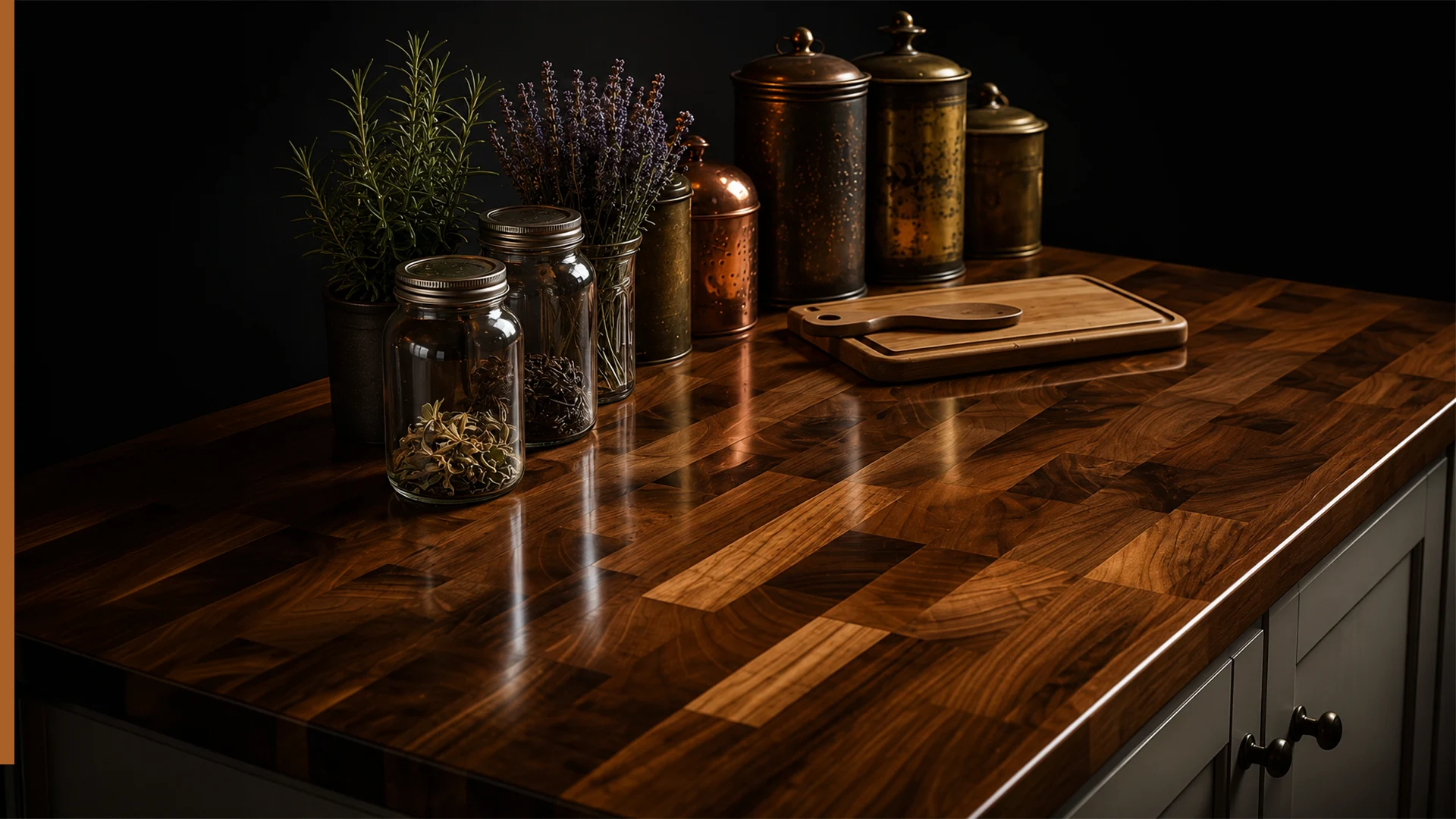

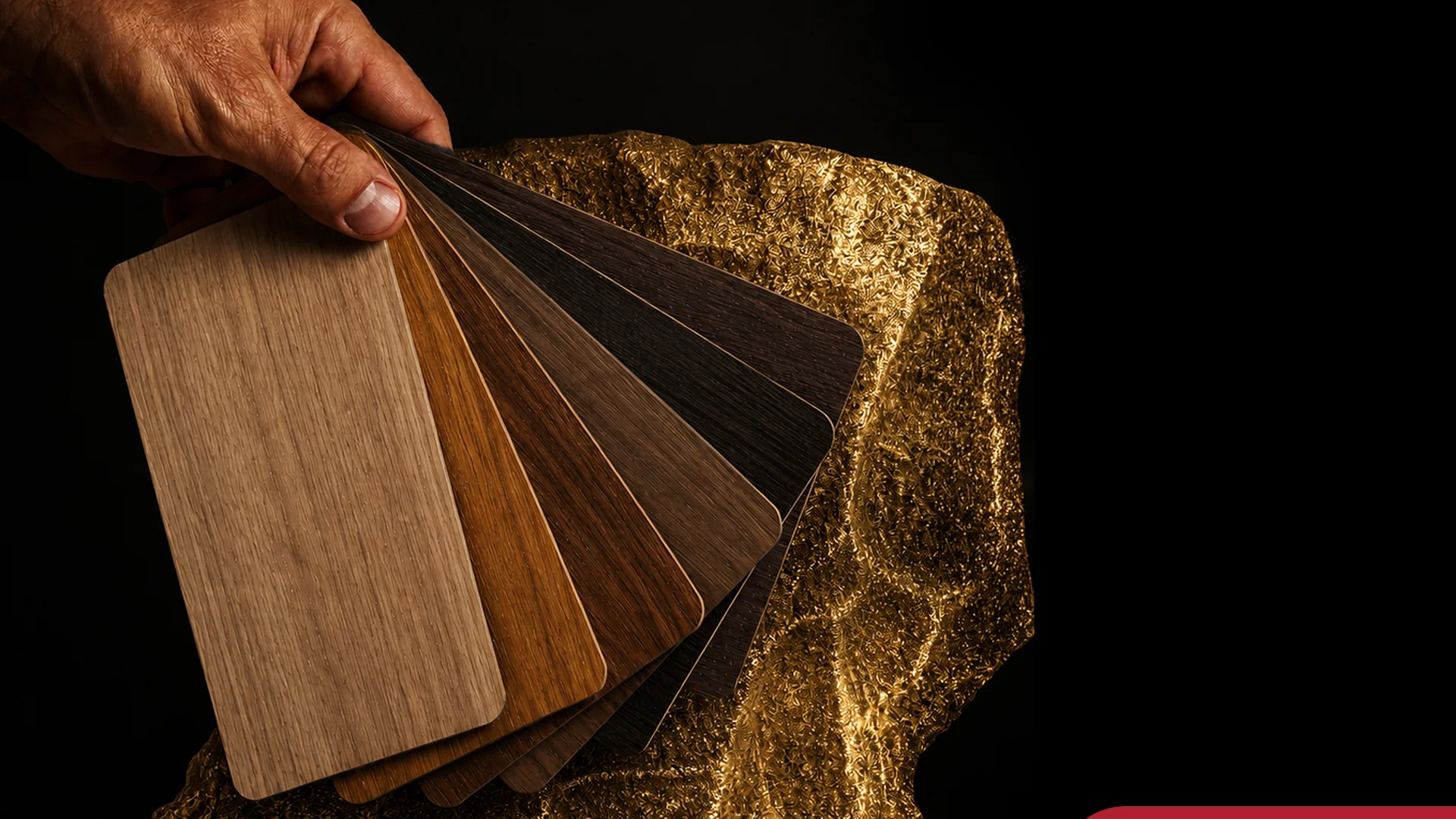
Wood is a natural material. It remains responsive to the environment even after its crafted into furniture
It absorbs moisture, gets affected by heat, and if left unprotected, it slowly changes over time.
And for this reason, wooden furniture should never be left without protection. A surface finish is applied to stabilise it and shield it from external factors.
Depending upon the finish, the same piece of wood can look completely different. One finish may maintain a natural, earthy look. Another one may give it a sleek, contemporary surface. Some finishes make it look visually pleasing while others add strength.
With so many options available today, the challenge is understanding which one really fits the furniture’s purpose, environment, and use.
Understanding Why Wood Finishing Is Necessary
A wood finish is not just a decorative layer. It serves a functional purpose.
Bare wood is vulnerable. It can take in moisture from the air, develop cracks with time or lose its initial look due to everyday exposure. A good finish acts as a shield between wood and its environment.
Furniture wood coatings prolong the lifespan of wood surfaces. They also influence how smooth the surface feels and how the colour develops over time.
A finish determines whether furniture stays stable or slowly deteriorates with use.
What Should Guide Your Choice Before Selecting a Finish?
A common mistake is choosing a finish based only on appearance. In reality, three factors matter more: usage, visual preference, and durability requirement.
1. Furniture Usage
The right finish is selected based on how that particular piece of furniture is used in daily life.
For instance, a coffee table in a living room is constantly in use. It holds cups, snacks, books, and deals with small spills and regular cleaning. So naturally, its surface has to keep up. It needs a finish that makes it easy to maintain and wipe. And then there is a cupboard which is comparatively less used. It stores essentials and otherwise stays untouched for long periods. The stress on its surface is far lower.
Then there are decorative pieces that are mostly about visual presence. They are not handled often and don’t go through daily wear in the same way. This difference in usage is what should guide the choice of finish.
2. Desired Appearance
The next consideration is how the furniture should look in a space.
Wood can either be highlighted or completely transformed depending on the finish.
Some finishes preserve the natural grain of wood. They allow the texture, lines, and organic variation to remain visible. This creates a warm and authentic appearance.
Others create a uniform surface with no visible grain. These finishes are preferred in modern interiors where clean design is more important than natural texture.
A premium wood finish is chosen based on the intended design language of a space.
3. Durability Expectations
Because furniture is used every day, durability should not be compromised.
Some furniture is used constantly, touched often, cleaned regularly, and sometimes exposed to small accidents along the way. So the finish should be able to withstand the furniture being used in real life, day in and day out. It should be strong enough to resist scratches, moisture, and general wear without losing its look.
PU Finishes for Strong Protection and Refined Appearance
PU finishes are widely used where durability and appearance must work together.
A PU coating for furniture forms a strong protective layer over wood. A PU finish will resist moisture and scratches and make the surface easy to clean. This makes it suitable for heavily used furniture.
Besides that, a PU finish gives you the option to choose the type of finish. It does not limit your taste but allows you to choose your desired finish with its matte, satin, and glossy options.
This makes it suitable for surfaces that require protection without compromising visual quality.
Acrylic Finishes for Sleek and Modern Surfaces
Acrylic finishes are another option, favoured for their sleek modern appearance.
It covers up the natural wood grain so you don’t really see the texture of the wood anymore. Instead, you end up with a nice, even colour on the surface.
These modern wood finishes are preferred when you want a smooth coloured surface rather than a natural texture.
Melamine Finishes for Practical Everyday Use
Melamine is not as deep or rich as other finishes. It used as a basic protection layer rather than for visual purposes
It’s a good option for everyday furniture. It won’t give you the same depth or finish richness as higher-end systems, but it does its job reliably in standard conditions.
This is why they are commonly used in basic storage furniture, office setups, and utility-focused designs. And in many manufacturing setups, furniture finishing solutions include melamine because it offers functional protection without complexity.
Water-Based Finishes for Safer Application and Low Odour
Water-based finishes are designed for safer and more comfortable application environments.
They have lower odour, making them suitable for indoor environments where air quality is an important consideration.
They are also increasingly preferred in modern production systems where environmental impact is taken seriously. In many cases, wooden furniture coating systems now include water-based options to meet both safety and performance expectations.
Transparent vs Pigmented Finishes: Defining the Final Look
And then there is another important decision: Do you prefer the wood to be visible or not?
Transparent Finishes
Transparent finishes allow the natural structure of wood to remain visible. The grain, texture, and natural variation are preserved. It is used when the material itself is meant to be seen and appreciated.
This wood polish for furniture enhances surface clarity while maintaining the authentic character of wood.
Pigmented Finishes
Pigmented finishes cover it completely and give you a solid colour surface. The natural grain is no longer visible, and the surface looks uniform in appearance. This one is commonly used when colour consistency is more important than natural texture.
Both finishes serve different design intentions, and neither is universally better than the other.
Which Wood Finish Is Right for You?
Choosing the right wood finish depends on a lot of things. Are you feeling confused about choosing the right wood finish? It’s super important to start with understanding its purpose. What do you have in mind for your project?
Are you fond of natural wood grain? Then go for transparent finishes.
But if your priority is rich colour rather than the natural wood texture, opt for pigmented finishes.
If additional strength and protection are required, you will find PU finishes quite suitable. Want a clean, uniform look? Acrylic finishes have you covered.
When you just want a simple protective finish, melamine is often the go-to option. And for indoor spaces where you need a safe and low-odour finish, water-based finishes are preferred.
There is no single ideal solution for all situations. Each finish serves a specific requirement.
Woodver Solutions for Every Finishing Need
In the real world, wooden furniture is more than just a decorative item. It’s an essential part of our homes, kitchens, and daily routines. That means you require a finish that will not only withstand constant use but also retain its beauty.
Explore Woodver’s decorative wood finishes for better-looking, longer-lasting furniture.