
Table Of Content
Table of Contents
Ever notice how some wooden furniture still looks great after ten years, while other pieces start peeling and cracking after one rainy season? It almost always comes down to the coating. So what is wood coating, really? It’s the protective layer applied to a wood surface – a finish that guards against moisture, sunlight, and everyday wear, while also bringing out the grain and color underneath.
On its own, wood isn’t nearly as tough as it looks. It soaks up water, swells, dries out under the sun, and rots if it’s left exposed for too long. A decent coating changes that. It sits between the wood and everything trying to damage it – rain, UV rays, scratches, spills – and that’s really the whole point of finishing wood in the first place.
We’ll walk through what wood coating does, cover the common types of wood coatings you’ll actually run into, and talk about why the wood coating manufacturer you choose ends up mattering just as much as the product itself.
What Wood Coating Actually Does
At its core, wood coating is any liquid or solid finish that forms a film over a wooden surface once it dries or cures – varnishes, oils, paints, industrial sealants, all of it falls under this umbrella.
But it’s not just about making wood look nice. A coating that’s been applied properly will:
- Keep moisture from soaking into the wood and causing it to warp
- Block UV rays that would otherwise fade or gray the surface over time
- Add resistance to scratches, stains, and general handling
- In some cases, improve fire resistance
- Bring out the natural grain and tone instead of hiding it
- Add years, sometimes decades, to the life of furniture, flooring, or structural wood
Skip the coating and you’re looking at cracking, discoloration, mold, and eventually structural problems. So it’s less of a nice-to-have and more of a requirement if the wood is meant to survive contact with the real world.
Common Types of Wood Coatings (And When Each One Makes Sense)
There’s no single “best” coating – it really depends on what you’re finishing. Furniture, decking, flooring, and industrial equipment all have different needs. Here’s how the main options break down.
Varnish
A clear, hard finish built from resins, oils, and solvents. Furniture and flooring guys reach for this one a lot because it dries into a tough gloss or satin layer that holds up against moisture and light scuffs without covering up the wood grain.
Lacquer
Fast-drying, and it forms a smooth, hard shell almost right away. You’ll see this used a lot in factory-finished furniture and cabinetry since it can be sprayed on quickly and still comes out looking consistent, batch after batch.
Polyurethane
Probably the most durable option most people will run into. It shrugs off water, chemicals, and heat better than most traditional finishes, which is why it’s the default choice for flooring and anything that gets walked on constantly.
Stain Plus Sealant
Stain shifts the color of the wood, and the sealant on top locks that color in while adding a layer of protection. This combo gets used when the goal is to enhance the wood rather than bury it under a thick coating.
Oil-Based Finishes
Tung oil, linseed oil – these soak into the fibers instead of just sitting on the surface. They leave behind a warmer, more matte look, which is why they’re popular for furniture where you want something that still feels like real wood.
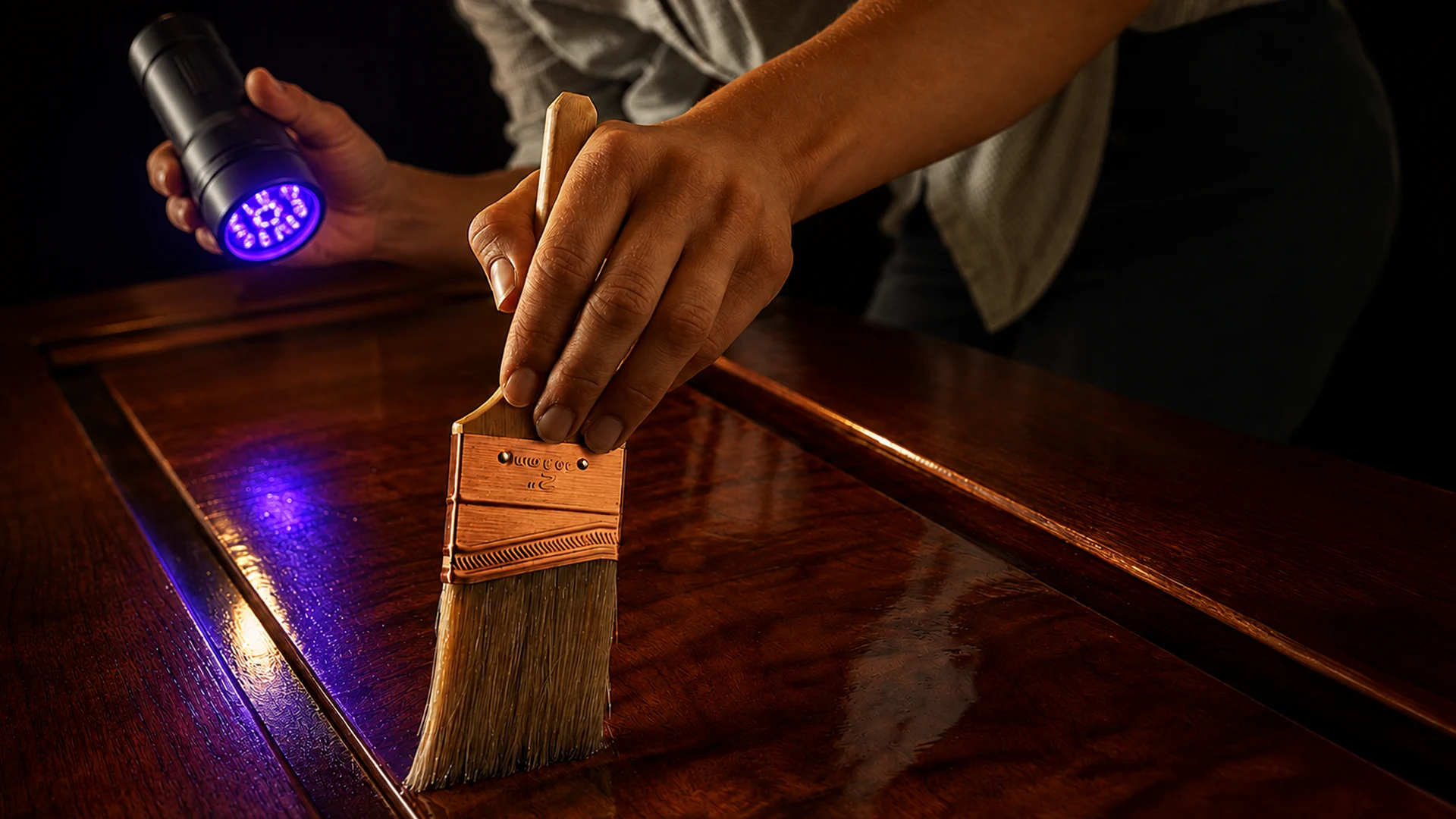
UV-Cured Coatings
These cure almost instantly under ultraviolet light, which makes them a natural fit for high-volume manufacturing. They’re hard, consistent, and fast – three things that matter a lot in industrial wood coating operations.
Water-Based Coatings
Lower in VOCs, quicker to dry, easier to clean up. They’ve become a lot more popular over the last several years, and they still hold up well for furniture and interior wood surfaces.
What Makes Industrial Wood Coating Different
Industrial wood coating is a different animal from what you’d use on a weekend furniture project. Think manufacturing floors, large-scale furniture production, commercial flooring – the coatings used there need to handle:
- Constant mechanical stress and heavy foot traffic
- Contact with chemicals, oils, or cleaning agents
- Humidity swings and temperature changes
- Tight production schedules that don’t leave time for slow curing
This is where a premium wood coating formulation earns its keep. Industrial-grade products are built for consistency at scale – every piece coming off the line needs to match the last one. It’s not about getting one nice-looking table right; it’s about thousands of units meeting the same standard without anyone having to babysit the process.
How to Pick the Best Wood Coating Brand
There are a lot of products out there claiming to be the best, so it helps to know what actually matters:
- Real durability data. Look for brands that publish actual test results on abrasion, water resistance, and UV stability – not just marketing language.
- Application flexibility. A good coating should work whether you’re brushing it on by hand or running it through an industrial dip or flow-coating line.
- Environmental compliance. Low-VOC, eco-conscious formulations matter more every year, both for regulations and for the people applying and living with the finish.
- Batch consistency. If you’re a manufacturer, one inconsistent batch can throw off an entire production run.
- Actual technical support. A wood coating manufacturer worth working with will help with formulation questions, not just sell you a bucket and disappear.
Woodver has built its name in this space by paying attention to exactly these things. It’s a manufacturer focused on both residential and industrial wood coating, and its formulations are aimed at furniture makers, flooring crews, and larger wood-processing operations who need something that performs, not just something that looks good on a spec sheet. Whether the job calls for a premium wood coating on high-end furniture or a tougher industrial finish for a production line, Woodver’s lineup is built around actual field performance.
Frequently Asked Questions
1. What is wood coating used for?
It protects wood from moisture, UV damage, scratches, and general wear, while also improving how it looks. You’ll find it on furniture, flooring, cabinetry, and plenty of industrial wood products.
2. What’s the most durable type of wood coating?
Polyurethane and UV-cured coatings tend to hold up best, especially against water, chemicals, and heavy daily use – which is why they’re common in industrial settings.
3. How long does a wood coating actually last?
It varies a lot by type and exposure, but a good finish applied the right way can last anywhere from 5 to 15 years, sometimes longer, before it needs attention again.
4. Can I coat wood myself, or does it need a professional?
Plenty of coatings – oils, water-based finishes – are fine for DIY. Industrial wood coating, though, usually needs specialized equipment and is better left to manufacturers or trained applicators.
5. What should I actually look for in a wood coating manufacturer?
Real durability testing, flexible application methods, environmental compliance, and consistent quality batch after batch – the same things that set a brand like Woodver apart from the crowd.

1 Comment
very nice article