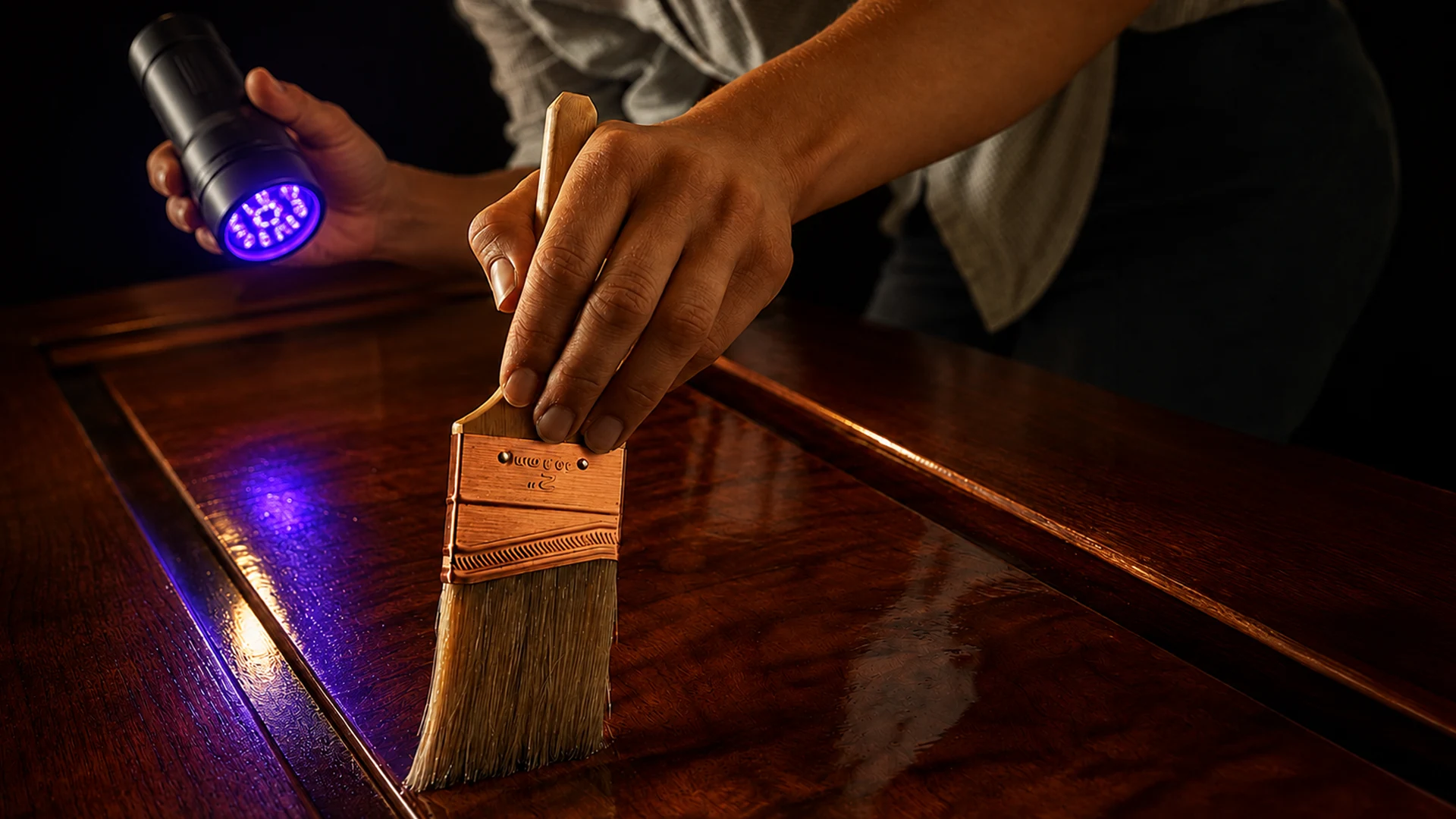

With so many layers of wood coatings out there, choosing the right one can be quite confusing at times to choose the right product and figure out the correct order of application.
One common confusion is understanding the difference between wood sealers, primers and topcoats.
If you use them in the wrong order, you may not get ideal results. It can make the surface look uneven, the colour may not come out well, the wood protection is not as durable, and the finish can even peel off.
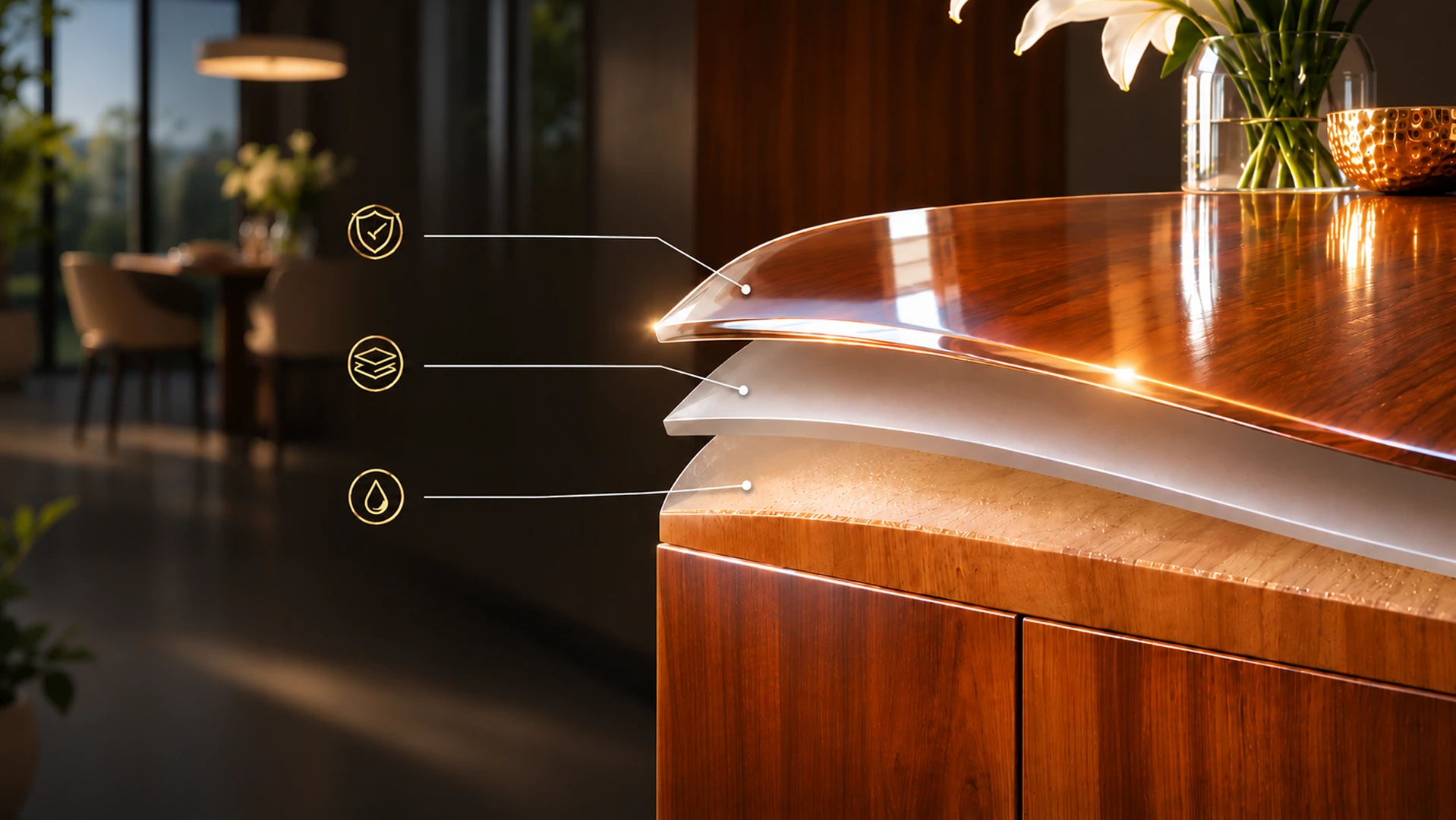
While all serve the purpose of covering wood, their specific use cases vary greatly. A wood sealer deals with the surface of the wood. Primers prep the surface for further coatings that come later on. And a topcoat forms the final finishing layer.
Let’s break them down for easy comparison, so it’ll be easier for you to tell what kind of finish your wood needs.
What Is a Wood Sealer?
A wood sealer is a coating applied to bare wood to seal its open pores and reduce how much the wood absorbs from the coats applied afterward.
When you put a finish directly on untreated wood, the wood can soak it up unevenly, especially in more porous areas. It might result in an irregular appearance as well as affect the final look’s colour, sheen and smoothness.
The sealer goes into the pores and helps close them off and creates a better base for the subsequent layering process.
Simply put, the sealer prepares the wood itself before you move on to the finish.
Woodver offers several sealer systems for different furniture applications, including PU, melamine, acrylic, polyester, nitrocellulose, and water-based systems. Their properties and recommended applications vary, so the sealer should be selected according to the wood, desired finish, and complete coating system.
What Is a Wood Primer?
A wood primer is used to create a suitable base for the finish coat. Its main role is to support adhesion and provide a more consistent surface for subsequent coatings.
A primer is a reliable base when you’re painting bare wood, changing the furniture’s colour, or working with a surface where paint adhesion is a concern. Some primers can also help cover stains, hide differences in the underlying colour, or improve the final appearance, depending on their formulation.
What Is a Topcoat for Wood?
Once the surface has been properly prepared, the wood topcoat provides the final finishing layer.
A topcoat affects two things you can immediately notice: how the furniture looks and how the finished surface performs in use. Different topcoats can offer resistance from wear-and-tear, moisture, chemicals, scratches, or sunlight.
Topcoats also come in different kinds of sheen that can alter the appearance of any surface:
- Matt: Gives the surface a low-sheen, understated appearance.
Satin: Adds a soft amount of reflection without looking highly glossy. - Gloss: Creates a more reflective surface and can make colours appear more pronounced.
The right topcoat depends on the furniture’s use, the desired appearance, and the compatibility of the complete coating system.
Wood Sealer vs Primer vs Topcoat: What’s the Difference?
The easiest way to understand the difference between wood sealer vs primer vs topcoat is to look at what each coating does and when it is applied.
A wood sealer primarily prepares the substrate. It can control absorption, fill pores, or provide other surface benefits depending on the formulation. A primer creates a suitable base for your finishing coat. It does this by supporting adhesion and creating a more consistent surface for further coatings. And a topcoat is the finishing layer that provides the desired appearance and the performance characteristics required from the finished surface.
A common point of confusion is whether you need to use both sealer and primer on wood.
There is no one standardised process to this. It depends on the type of finish and the coating system you’re using. Some systems need both, while others use just one or combine the two functions in a single product.
The Right Wood Finishing Order
There’s no universal wood finishing order that works for all types of furniture. It will depend on the particular substrate, what you want to accomplish with your finish and which coating system you’re using.
A typical process looks something like this:
- Prepare the surface:Before starting anything else, ensure that the wood is properly prepared. This includes removing the old finish, roughness, and surface imperfections from your piece.
- Clean the surface: Remove sanding dust and make sure the substrate is clean and dry before coating.
- Apply the required base coat: Apply a sealer or primer (or both) according to what’s required by the particular finishing system you’re going with. The product instructions will specify which coating is required for the wood and the finish you’ve chosen.
- Sand between coats where required: Once you’ve applied the coat and it has dried enough, do some light sanding if needed to make the surface nice and smooth for your next coat.
- Apply the topcoat: Apply the compatible topcoat according to the product’s recommended application method and number of coats.
- Allow it to cure: A coating can feel dry without being fully cured. Give the finished surface the recommended curing time before subjecting it to heavy use.
The exact process should always follow the technical recommendations for the selected coating system.
Common Mistakes to Avoid While Using Wood Sealer, Primer and Topcoat
Skipping Surface Preparation
A great coat won’t always be effective if you work with a dusty, uneven or badly prepped surface. Sanding and cleaning are basic steps, but they have a major effect on the final finish.
Using the Wrong Coating Sequence
Applying products in an arbitrary order can create adhesion or finish problems. Follow the recommended sequence for the specific coating system.
Mixing Incompatible Products
Different coating technologies are not automatically compatible. Before combining products, check the manufacturer’s recommendations for the complete system.
Applying Coats Too Heavily
A thicker coat does not necessarily mean better protection. Excess material can also mess up with your drying time, finishing and the final look. So always apply coatings according to the recommended application method and film thickness.
Choosing the Right Products for Your Wood Finishing
Sealer, primer, and topcoat may sound like three versions of the same thing, but they each have a different role in the finishing process. Understanding these products’ unique roles can make it easy to find out which one (or two) your wood actually needs.
You don’t necessarily need to layer all three every time. What matters is using the right products in the right order for the finish you want.
Explore Woodver’s range of sealers, primers, and topcoats to find a coating system suited to your wood-finishing requirements.