Table Of Content
Table of Contents
Kitchen cabinets and bedroom wardrobes may look similar in terms of construction, but they serve completely different purposes. This means they also need different wood finishes.
The first thing you need to keep in mind while deciding upon your ideal wood finish is the kind of usage each piece has. For example, a kitchen’s shutters will constantly have to deal with cooking greases, food spillages, and the associated steam, which means they’ll require regular cleanings. On the other hand, wardrobes get opened up all the time. Their surfaces collect fingerprints, dust and everyday marks.
While this may seem insignificant at first, considering what your furniture will be used for can help you choose between different types of finishes, because sometimes the one that looks perfect on your wardrobe may actually not be the best bet for your kitchen cabinets.
Why Kitchens and Wardrobes Need Different Finishing Considerations
Let’s understand the differences between the conditions wardrobes and kitchen cabinets surfaces typically have to deal with.
Everyday Conditions Affecting Kitchen Cabinet Finishes
- Oil splashes and food stains: Oil splashes from cooking as well as food spills might leave grease or residue on your cabinet shutters.
- Frequent cleaning: Kitchen surfaces are wiped down regularly, so the finish should be suitable for repeated cleaning.
- Regular contact: Shutters and handles come into contact with hands, utensils and other kitchen objects throughout the day.
- Heat and steam: If you have Cabinets placed near your cooking area, they may be exposed to heat and steam.
- Stubborn stains: Turmeric, sauces and other cooking ingredients will often leave a mark that isn’t easily wiped away if not taken care of promptly.
Everyday Conditions Affecting Wardrobe Finishes
- Frequent handling: Shutters and drawers are opened and closed several times a day.
- Surface marks/ fingerprints: Regular contact can cause a surface to leave fingerprints, smudges, and marks.
- Exposure to sunlight. If your wardrobe is placed near a window, then it can come into contact with sunlight, which can impact the look of some finishes over time.
- Large visible surfaces: Wardrobe shutters often cover a considerable area, making consistent colour and sheen important to the overall look.
Choosing a Finish for Kitchen Cabinets
Here are a few things to keep in mind before selecting a wood finish for kitchen cabinets:
Choose a coating suited to kitchen conditions. Don’t assume that every interior wood coating is suitable for kitchen shutters.
Check the product specifications for its intended application and resistance to the conditions your cabinets will face. If frequent wiping is expected, pay particular attention to the product’s cleaning and stain-resistance information.
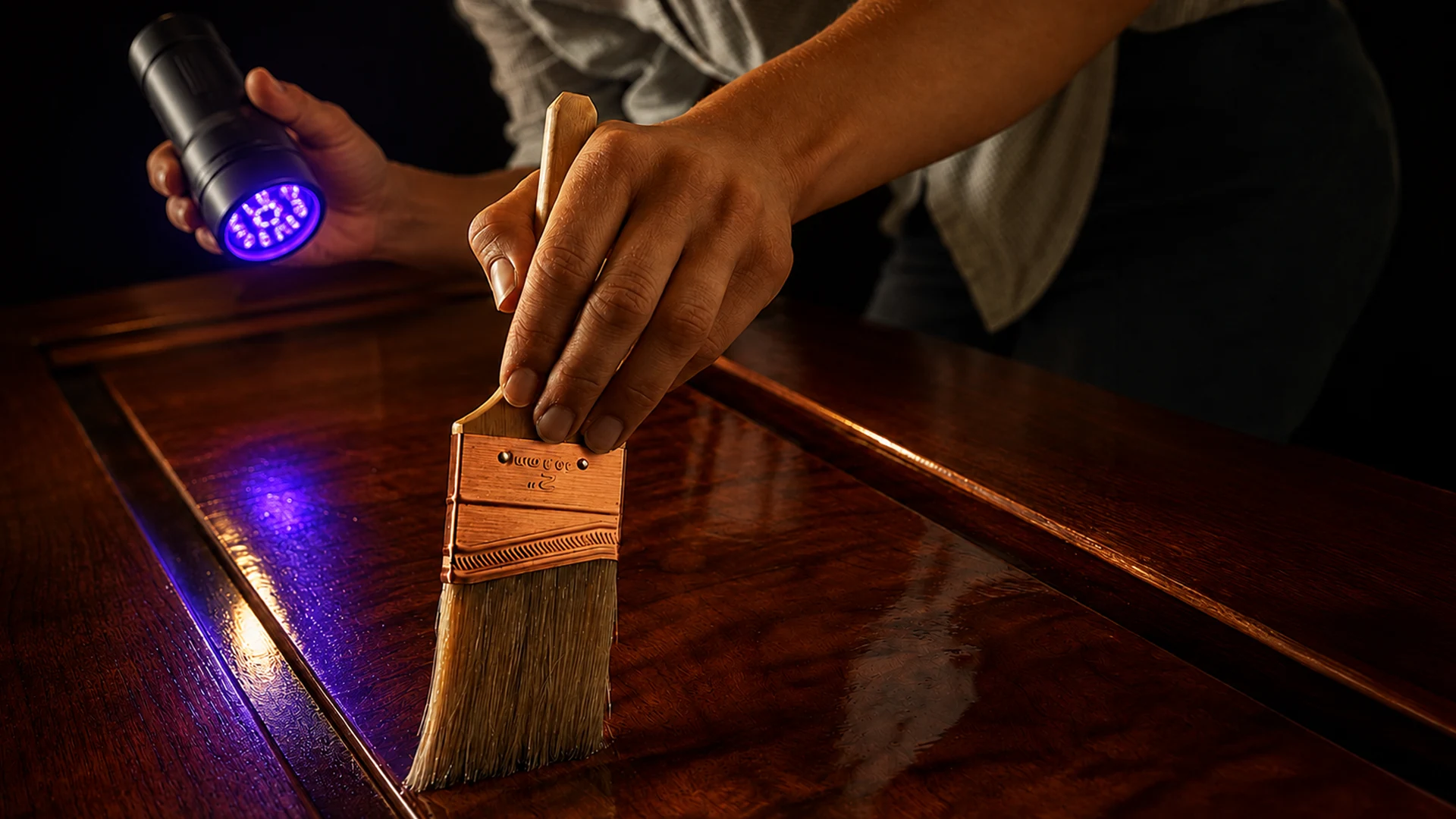
Pay attention to surface preparation and edges. A good finish starts before the coating is applied. The substrate should be properly prepared, and the edges of shutters and panels shouldn’t be overlooked. Poor preparation or uneven application can affect the final appearance and performance.
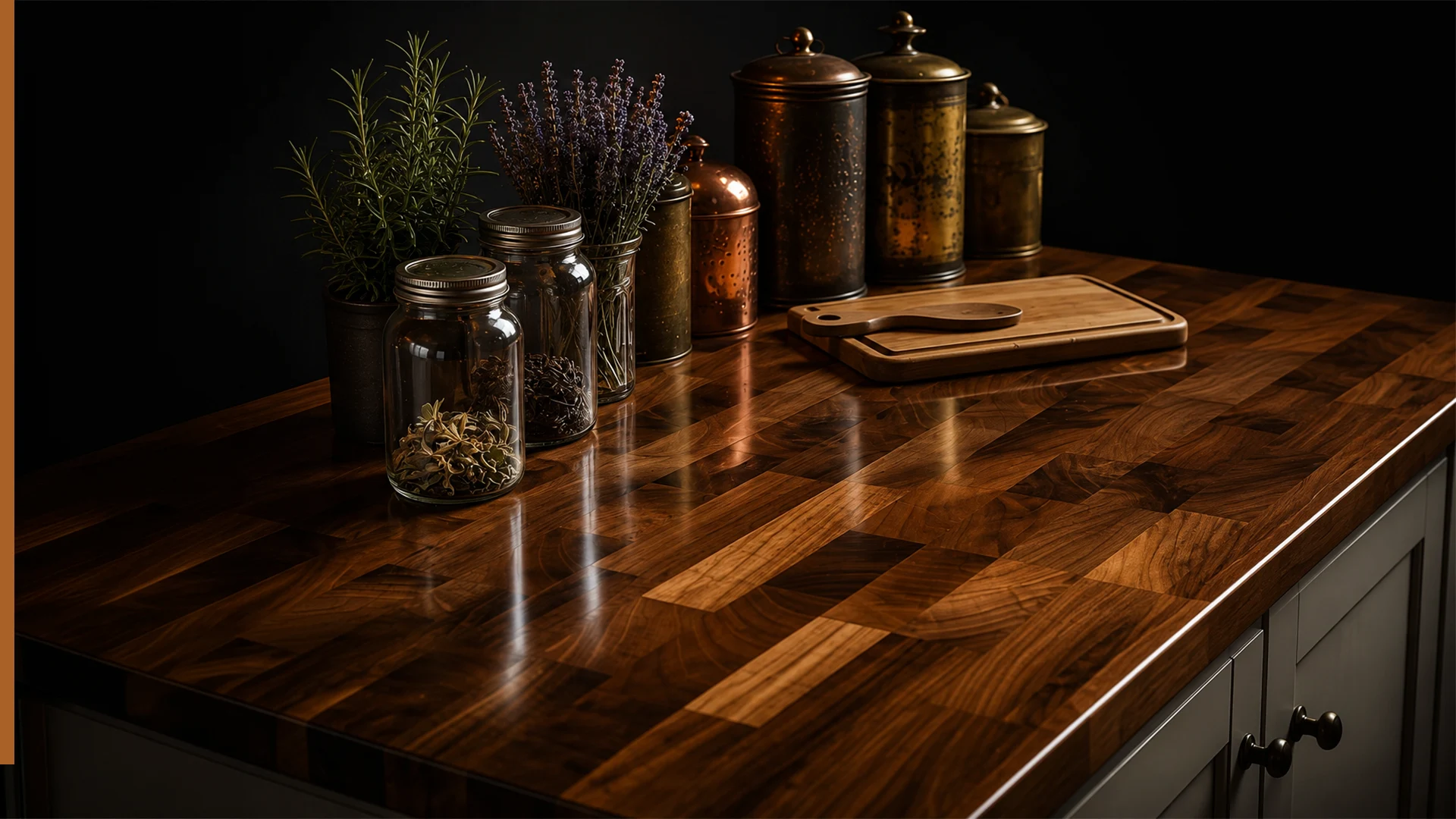
You also need to consider whether you need clear or pigmented finishes. If you plan to have a decorative wood or veneer and plan to showcase the grain pattern, then a transparent finish might be the best option. For white, grey, or beige cabinets with a solid colour, opt for a pigmented system.
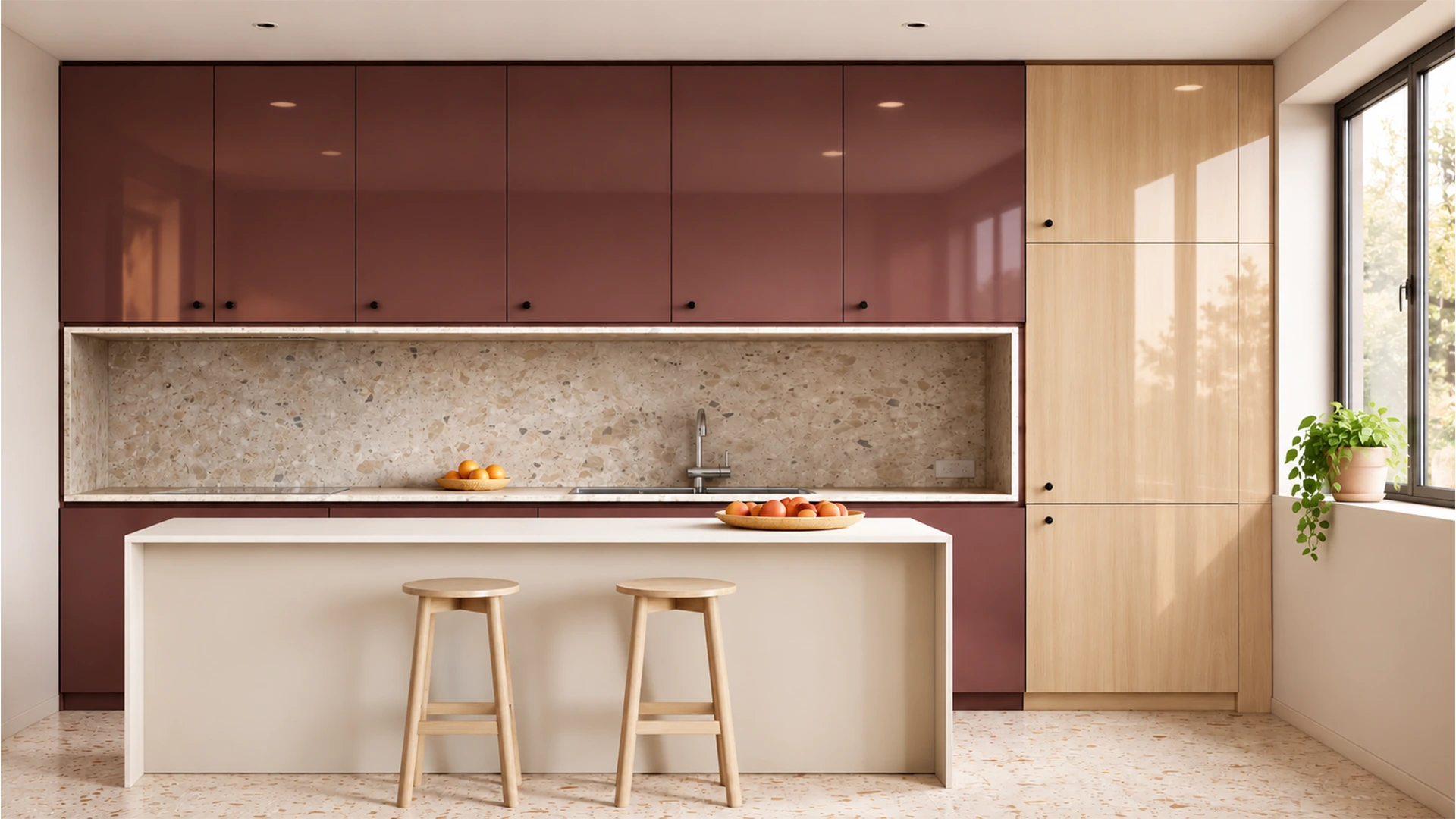
Also choose the sheen carefully. The sheen that you pick will make a world of difference to the look of the cabinets. A glossy coat gives a reflective finish, whereas a matte finish tends to have an understated look. However, try not to focus solely on aesthetics when picking out the right sheen. Consider how easily the surface can be cleaned and how noticeable everyday marks may be.
Make sure you check whether or not the chosen coating works well with your board or wood of choice. MDF, plywood, or natural wood all require slightly different preparation and finishing requirements.
Choosing a Finish for Wardrobes
Here are a few things to consider for wardrobe finishes:
– Natural wood or solid colour? If you’re using natural wood or decorative veneer, a transparent finish will let the grain remain visible. A pigmented finish, on the other hand, creates a uniform colour across wardrobe shutters and drawers.
– Choose the right sheen: Matt finishes give wardrobes a softer, understated look. Gloss creates a more reflective surface, while satin offers a middle ground. Consider your bedroom lighting and other furniture before deciding.
– Consider everyday handling: Wardrobe shutters and drawer fronts are opened and closed regularly. Their surfaces come into contact with hands, so look for a coating with suitable resistance to everyday wear and surface marks.
– Colour stability and sunlight exposure: some finishes can fade, discolour, or yellow with long-term exposure to the sun. This is mainly evident with white, cream, and lighter-coloured wardrobes. This is why you need a finish with good UV resistance to keep your furniture looking best for longer.
Which Wood Coating System Should You Consider?
By now, you should have a clearer idea of the finish your kitchen cabinets or wardrobe needs. The next step is finding a coating system that can give you that result. Woodver offers several types of wood coatings, each suited to different finishing requirements.
- PU coatings: PU systems are available in clear or pigmented options that offers you flexibility over the kind of finish you want. The ideal choice will depend on the surface and the way you want the final surface to look.
- Acrylic coatings: These coatings offer good clarity and colour stability, making them worth considering for light-coloured furniture.
- Melamine coatings: Commonly used for interior wooden furniture, melamine coatings provide a hard finish in different sheen options.
- Water-based coatings: These use water as the primary carrier instead of conventional organic solvents. They are available in clear and pigmented finishes.
- Polyester coatings: These create high-build finishes with a smooth, glossy appearance, often used for furniture that requires a polished look.
Keep in mind that the name of the coating doesn’t reveal all its qualities. Read the TDS for the specific product to confirm it’s a fit for the substrate, intended application and other needs.
Good Furniture Deserves a Finish That Lasts
Ever notice how the finish can make or break a piece of furniture? It can influence how much of the wood grain can be seen, how the colour appears and how the surface will look in certain types of lighting.
Always remember, though, that this is not the only thing that can affect how the final finish looks. The surrounding environment and the amount of usage the furniture gets in the long run also matter.
That’s why you should treat kitchen cabinets and wardrobes differently, even when they’re made from the same material. Woodver offers a wide selection of wood coating systems to achieve the appearance you want while meeting the finishing requirements for every space.